Atlético Madrid’s Two Years in Segunda: From Relegation to Revival
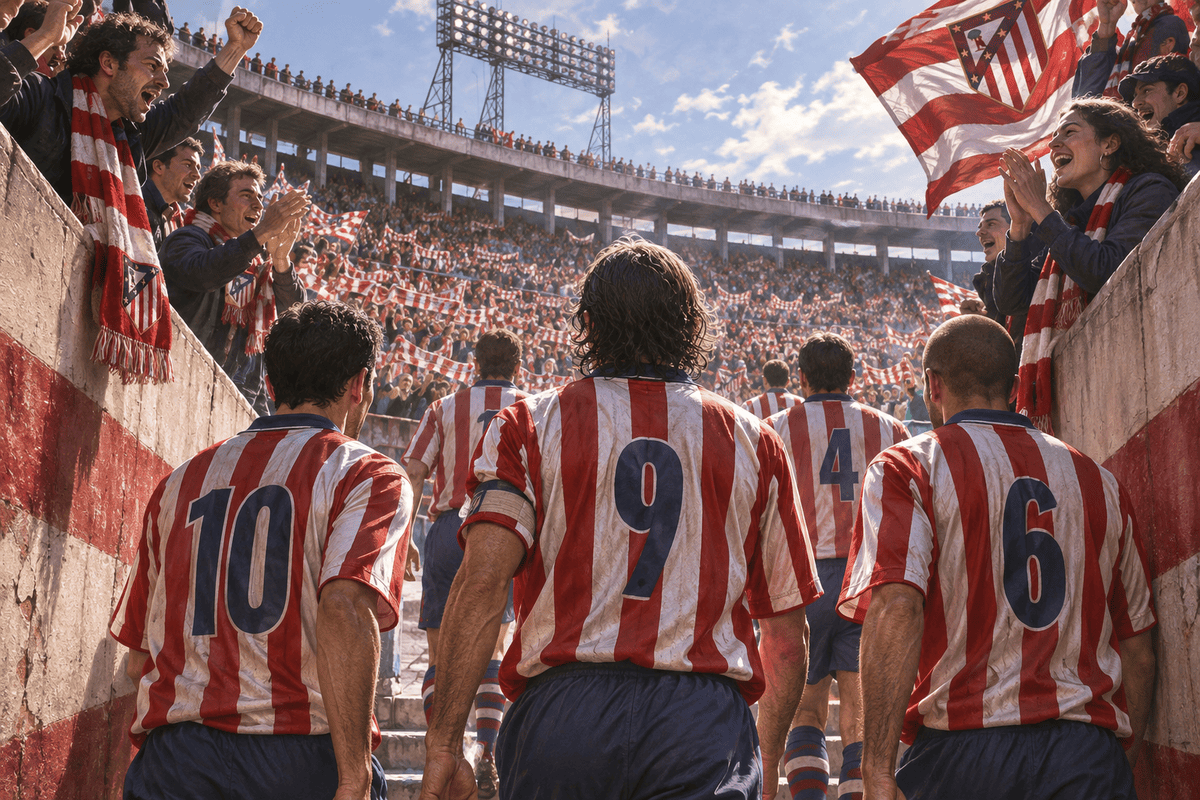
Atlético Madrid spent the spring of 2000 fighting on two very different fronts. They reached the Copa del Rey final, yet in the league they went down. The cup run makes the relegation harder to understand at first glance. A team capable of surviving knockout ties could still spend months dropping points it could never recover. For supporters, the next fixture list made the consequences plain: the Calderón would be hosting Segunda División football.
How a cup finalist ended up going down
The last weeks of the 1999–2000 season capture the oddity of the club's position. Atlético could turn a cup tie into a single evening in which the crowd, the opponent and the score demanded an immediate response. The league kept a much longer account. Every draw that needed to be a win and every point dropped against a team fighting for the same places stayed on the table. Atlético eventually faced Espanyol in the cup final, but by then the appearance of a competitive side on the cup stage could do nothing to change its division. For someone following both competitions, the season carried two entirely different versions of the same club.
What fourth place actually meant
The first Segunda season ended with Sevilla, Real Betis and Tenerife going up. Atlético finished level on points with Tenerife, so the gap between another season in Segunda and a place in Primera was smaller than the label “fourth” suggests. It was also final. A season of chasing promotion can make every opponent feel like a stepping stone, but Tenerife had the same right to it and built a campaign good enough to take the last spot. Atlético had to change its planning for a second year and its supporters had to prepare for a second trip around a division they had expected to leave at the first opportunity.
The first attempt
Atleti expected a quick return. The first season ended with the club in fourth place and promotion out of reach. That extra year matters to the story. After the shock of relegation came the realization that Segunda could become the club’s reality for longer than anyone at the Calderón had imagined. Fernando Torres made his first-team debut near the end of that campaign. His emergence gave the crowd someone from its own academy to follow through the uncertainty.
The debut of a future captain
Fernando Torres made his debut against Leganés in May 2001 and scored against Albacete a week later. Neither appearance could rewrite the season. The point was what the crowd got to see at a time when much of the conversation was about fallen expectations. A teenage forward had made it from the academy to a competitive first-team match. In the following campaign he experienced the routine of a promotion side, with shorter spells on the pitch and fewer clear chances than his later reputation might suggest. The successful striker Atlético supporters would know in Primera grew out of that apprenticeship, and his early footage is worth watching with that in mind.
What changed with Luis Aragonés
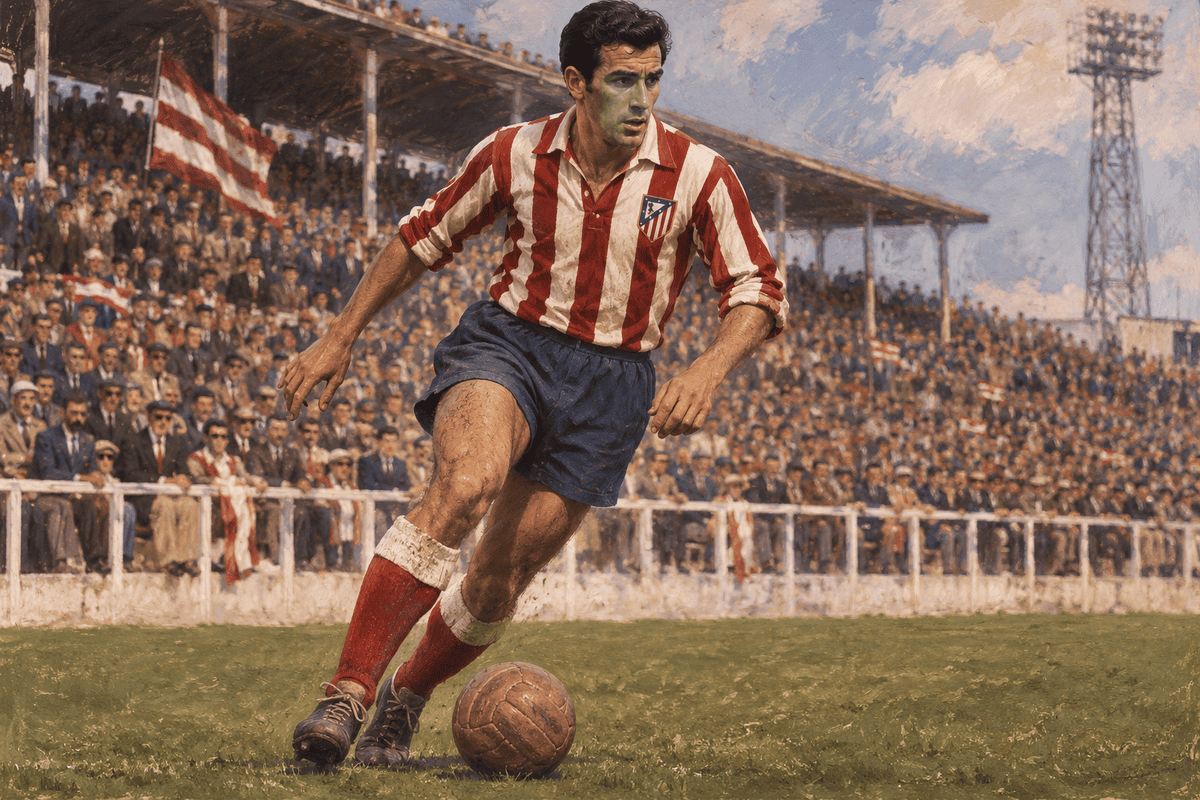
Aragonés had already lived several Atlético careers as player and coach. In 2001 he took over a group that needed regular results over an entire season. The new campaign ended with Atlético as Segunda champions, which gave the return a stronger footing than a last-day escape into third place. There was room for experience as well as youth. A team with players accustomed to the pressure of Spanish senior football could let Torres develop while still putting points on the board. Look at the two tables side by side and the difference becomes tangible. In 2001 Atlético were waiting on the last place. A year later they finished above everyone in the division.
The return was the beginning of a different challenge
After promotion, the league no longer rewarded Atlético for being one of the strongest squads in its division. The same club name appeared on a schedule that included Barcelona and Real Madrid, and the team had to adjust to the difference in quality and depth. Torres became more prominent as those matches returned, but the longer project took years. Compare the problems faced by a club expected to go up with those faced by one learning to finish in the top half again. In Segunda an opponent could be happy taking a point at the Calderón. In Primera Atlético had to learn when a point was a good result of its own. The 2002 success deserves to be judged on the task it completed, with the progress that followed giving the promotion an extra chapter instead of a falsely neat ending.
A way to revisit the story
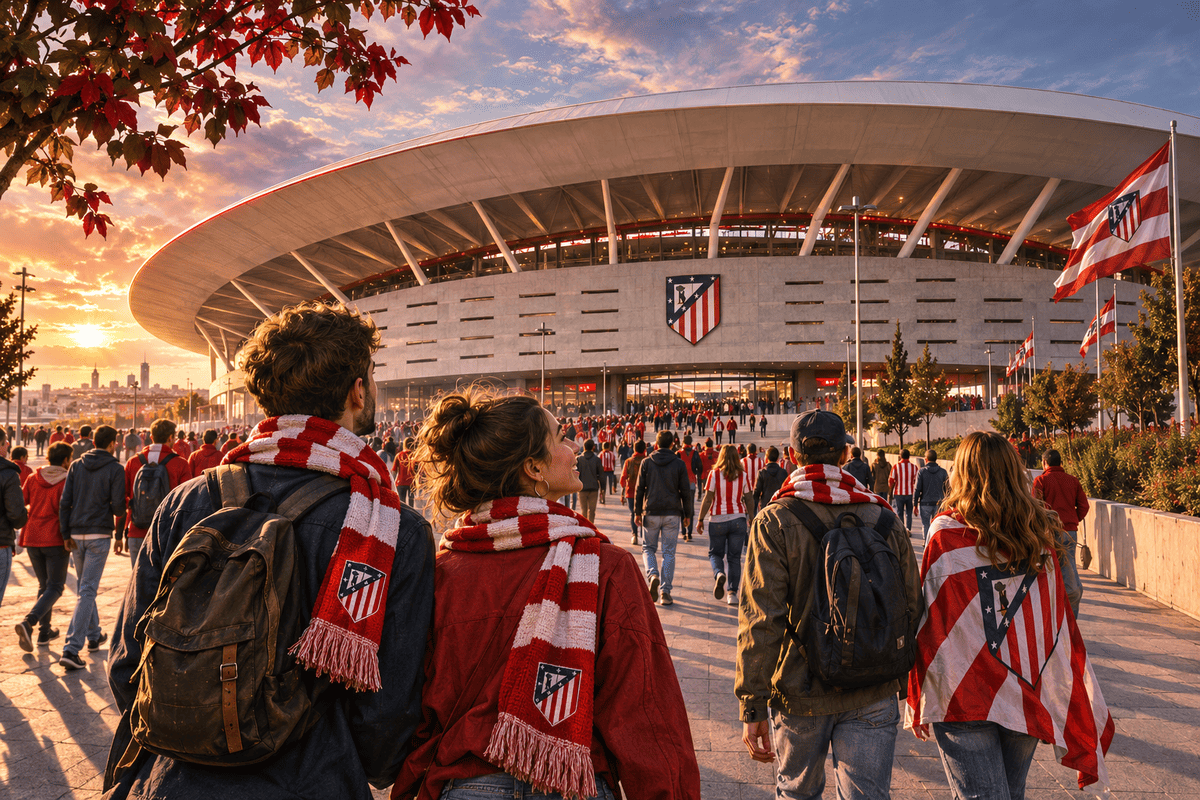
Start with the final league tables, then find the debut against Leganés and the pictures of the promotion celebrations. That order matters. It gives the first season its due before the images of 2002 arrive. Then watch a Torres goal from his first spell in Primera and notice how quickly the boy from the Segunda footage became a centre of attention. Promotion restored the meetings with familiar top-flight opponents. It also gave a generation of supporters a shared memory of what the Calderón sounded like when returning to Primera had become the most important thing in Spanish football.
Luis Aragonés brings Atleti back
Luis Aragonés took charge for the second season. Atlético secured promotion in April 2002 and finished top of the division. Torres went up with the team and soon became one of the most recognizable faces of its return to the top flight. The celebrations belonged as much to the people in the stands as to the players. Those supporters had already endured one spring waiting for a promotion that never came. Two decades later, that wait is part of what makes the return worth remembering.
Sources and further reading · Atlético de Madrid · Fernando Torres · Segunda 2000–01



Comments
No comments yet. Be the first to say what you think.