Why Atlético Madrid and Athletic Club Share a History
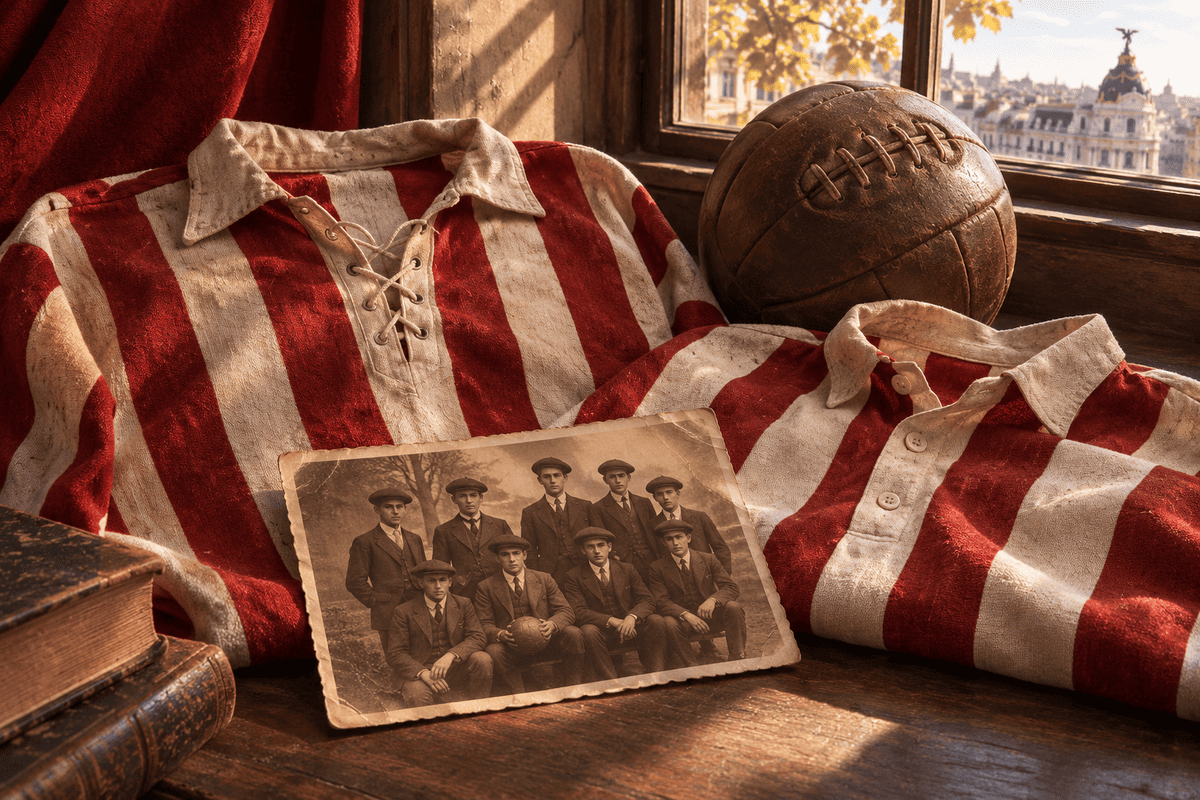
On 26 April 1903, a group of Basque students living in Madrid founded Athletic Club de Madrid. They already had a football allegiance in Bilbao, and the new side gave them a way to keep that connection while playing in the city where they lived. Seen from the present, when the clubs have separate identities and compete for the same trophies, the idea of a Madrid branch of Athletic can sound odd. Seen from the students’ perspective, it was a practical way to create a team.
What a branch meant in 1903
The founding happened at a moment when football clubs were still putting names, rules and regular competitions around a game shared by small groups of enthusiasts. For Basque students in Madrid, using the Athletic name made a relationship immediately understandable. It said where their model came from and who already had a claim on their attention as supporters. It also gave them an identity in a capital where other clubs were developing in the same years. The students did not have to imagine television rights, preseason tours or the modern transfer market. They needed people to play, opponents to meet and a name that could gather them.
A Madrid club takes shape
A team that trains, plays and attracts supporters in Madrid begins to accumulate its own history. The early link with Athletic in Bilbao receded as the Madrid club developed its own organization and competitive life. The names also took different paths. Today Athletic Club keeps the English spelling in its name, while Atlético de Madrid carries the Spanish form. That detail is useful when you are explaining to someone why two clubs in different cities sound so alike.
The names used to be much closer
Read Athletic Club de Madrid aloud and it sounds much closer to Athletic Club than the modern English habit of saying “Atlético Madrid” might suggest. The word Athletic was part of the old vocabulary of Spanish football, with English terms circulating alongside Spanish ones. The Madrid club later passed through the Aviación period and eventually adopted the Atlético de Madrid name. The resulting difference is useful even now. Athletic usually means the Bilbao side, while Atleti is a familiar abbreviation for the Madrid team. The letters preserve enough of the original connection to lead a new fan back to the founding date.
A cup final made the relationship visible
The two clubs met in the 1921 Spanish Cup final, which Athletic won 4–1. The result gives the story a point at which the two branches of the history can be seen competing for the same prize. Facing the club that inspired your founding would already have meant something on an ordinary afternoon. In a final there was also a winner, a loser and a score to keep in the archives. That is a better scene for understanding the evolution than imagining a single day when every tie with Bilbao stopped mattering. A shared origin could survive in memory while teams developed different competitive interests.
The contrast a modern supporter can spot
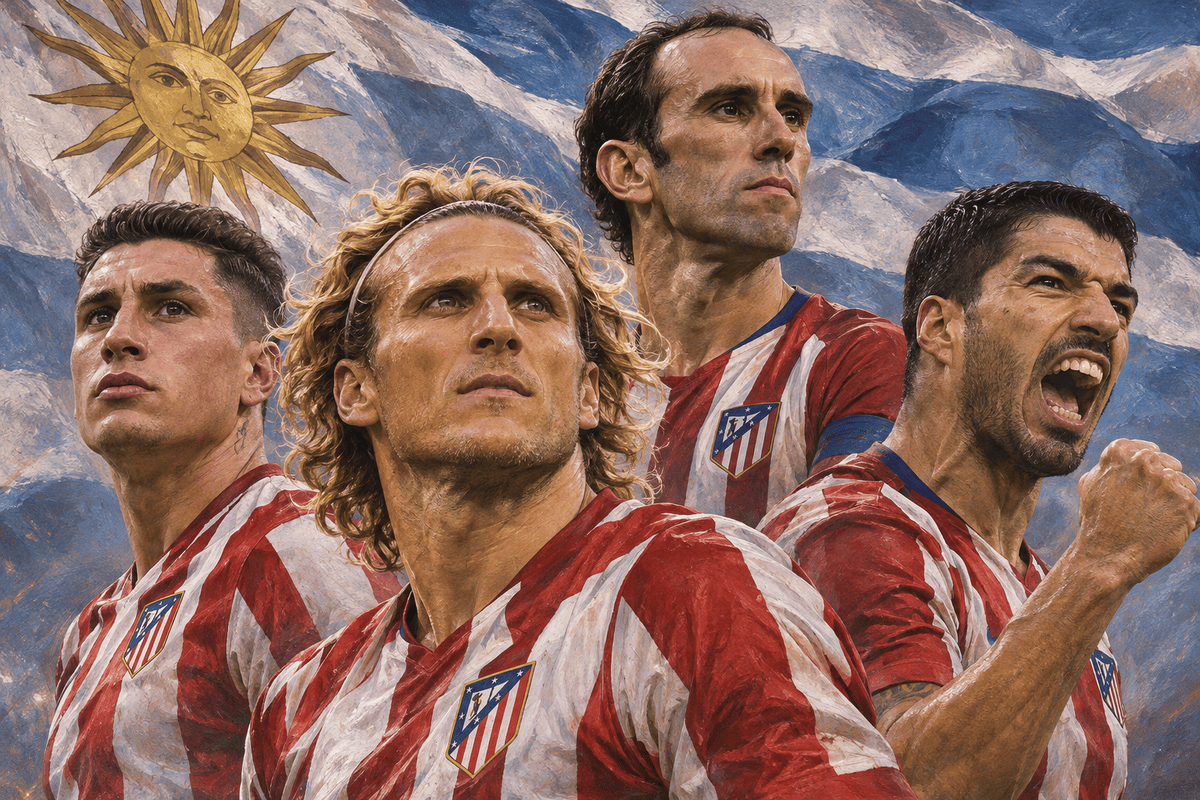
Athletic built a distinctive approach to player recruitment around footballers born or developed in the Basque Country, under the club's own criteria. Atlético built squads from a much wider playing pool, including the South American and European players who have defined many of its best-known teams. The difference makes the shared beginning more interesting. Two groups can have similar shirts and a related name while answering differently when deciding who will represent the club. Academy football remains important to each. The career of a Madrid academy player such as Koke belongs to a different recruitment context from the one a young player enters at Lezama.
How to read the old final report
Athletic's archive lists the scorers and times for that 1921 final. Triana made it 1–1 for the Madrid side after Laca opened the scoring. Acedo restored Athletic's lead before half-time and the Bilbao team added two more after the interval. Knowing the sequence changes the impression left by a 4–1 scoreline. There was an equalizer and a stretch of the first half in which the future winner had to get its lead back. The archive is also a useful counterpart to a club anniversary article. One records what happened on a single afternoon. The other steps back to explain how the two sides came to have a relationship in the first place. The final brings the two scales of the story together.
Three details to notice next time they meet
Watch which shirt the visiting team uses. The choice makes the shared colours easy to appreciate, especially if your first mental picture of the fixture has both teams dressed in stripes. Listen for how commentators identify the sides and how each group of supporters names its own club. Finally, think about the two journeys that led to the same pitch, one beginning in Bilbao and the other with Basque students in Madrid. Football rivalry has room for the family resemblance and for nearly a century of playing for different results. A meeting between the two brings both stories into view.
What survives on the pitch
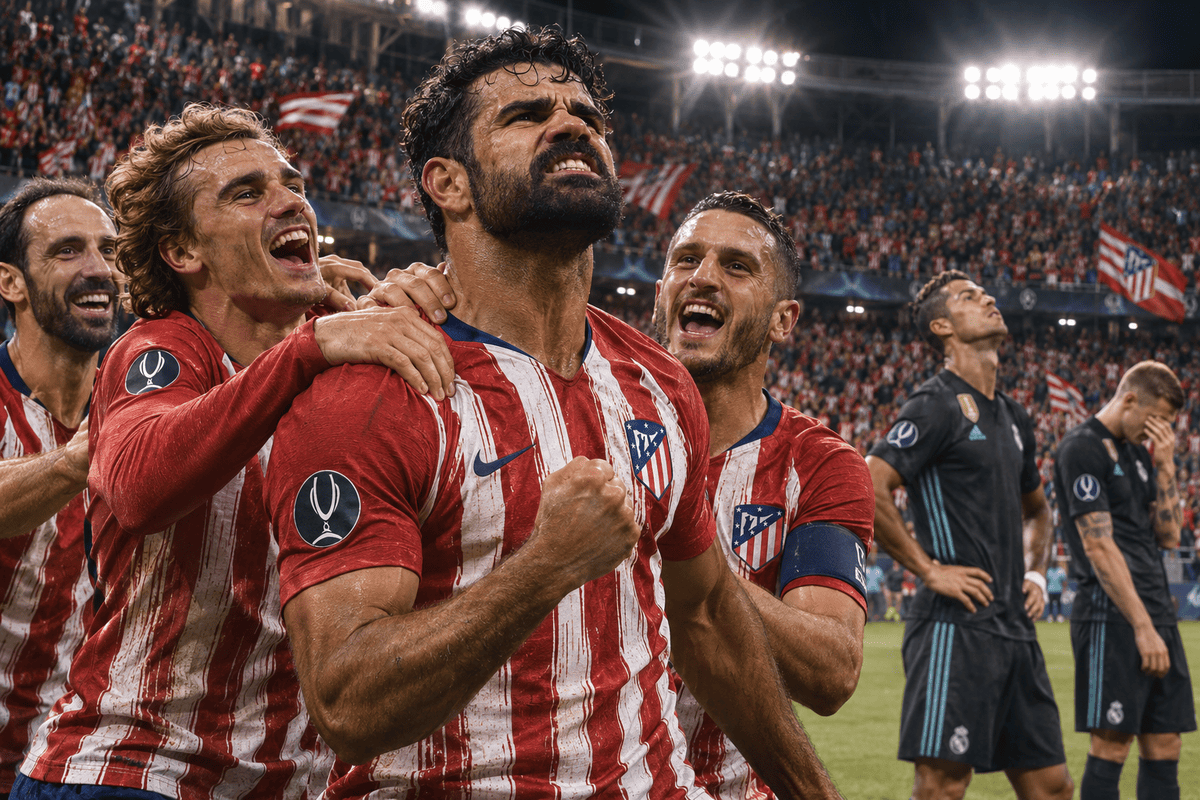
The most obvious visual connection is the red-and-white shirt. The better way to experience the shared history is to watch the sides meet and listen to the two crowds. An Atlético fan and an Athletic supporter may recognize the same colours at once, but each associates them with different neighbourhoods, players and afternoons. The founding story gives that familiarity a date and a place: Madrid, in the spring of 1903.
Sources and further reading · Atlético de Madrid · 1903 · Athletic Club · 1921

Comments
No comments yet. Be the first to say what you think.