
Riyadh Air Metropolitano: The Complete Atlético Madrid Stadium Guide
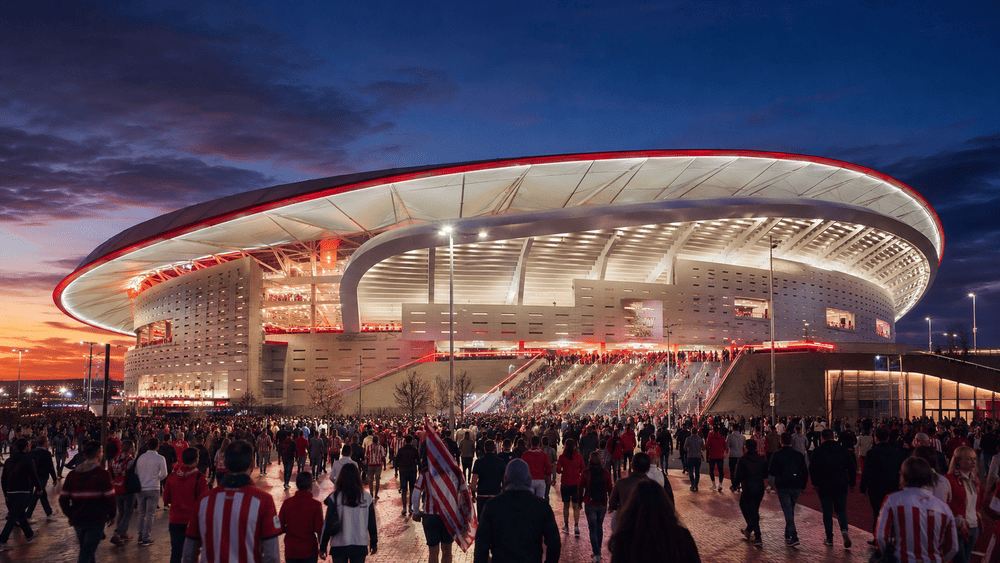
Since 2017, Atlético Madrid have called the Metropolitano home. Built in the north-east of the city, it is one of the most modern arenas in European football and the beating heart of a new era for Los Rojiblancos. Whether you are planning your first visit or simply curious about the ground, this is your complete guide to Atlético Madrid's stadium.
From La Peineta to a European Showpiece
The stadium's story begins long before Atlético moved in. Originally built in 1994 as La Peineta, a municipal athletics arena, it was rebuilt and expanded as part of Madrid's Olympic ambitions. When those bids fell short, the venue was redeveloped into a football stadium and opened as Atlético's new home on 16 September 2017. The move closed the chapter on the beloved Vicente Calderón and opened a new one.
Capacity, Design and Atmosphere
The Metropolitano holds just over 68,000 supporters across three tiers, with a distinctive undulating roof that covers every seat and channels noise back onto the pitch. The steep stands were designed deliberately to recreate the intensity of the Calderón. The south end houses the club's most vocal supporters, and on European nights the ground produces a wall of sound that visiting teams still dread.
The Name Changes Explained
Supporters and search engines alike often get confused by the stadium's name. It opened as the Wanda Metropolitano under a sponsorship deal with the Wanda Group. In 2022 it became the Cívitas Metropolitano, and in 2024 the naming rights passed to Riyadh Air. Through every commercial change, one word has remained constant, and it is the one the fans actually use: Metropolitano.
A Champions League Final Host
In June 2019 the Metropolitano hosted the UEFA Champions League final between Liverpool and Tottenham Hotspur, just two years after opening. Staging European football's biggest match so soon after completion confirmed the stadium's standing among the continent's elite venues, and gave Madrid its second Champions League final host ground.
How to Get There
The stadium is served directly by Estadio Metropolitano station on Metro Line 7, roughly twenty minutes from the city centre. On matchdays the metro runs an increased service, and it remains by far the easiest way to arrive. Driving is possible but parking is limited and the surrounding roads become heavily congested in the two hours before kick-off.
Tickets, Tours and the Museum
Match tickets are sold through the official club channels, with members given priority. For visitors who cannot attend a game, the stadium tour offers access to the dressing rooms, the tunnel, the pitchside benches and the press room. The club museum traces the full history of Atlético Madrid, from the 1903 founding through to the modern era covered in our article on the Simeone revolution.
Memorable Nights at the Metropolitano
The ground has already built its own folklore. The 2021 La Liga title celebration, dramatic Champions League comebacks, and derby victories over Real Madrid have all been written into its short but intense history. For a wider view of the club's greatest occasions, read our piece on the Madrid derby.
Conclusion
The Metropolitano is more than a modern stadium. It is the physical statement of Atlético Madrid's ambition, a ground built to host the club's next chapter. Discover the full story of how Atlético reached this point in our dedicated book.
Explore Our Book
More from the blog






2026
Comments